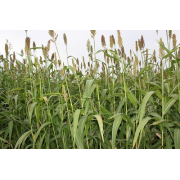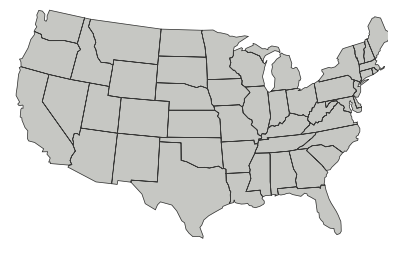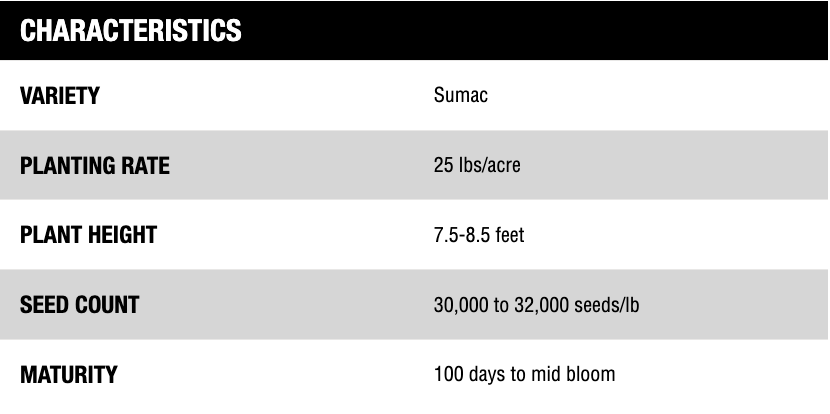
Sumac Forage Sorghum (Sorghum bicolor) is an annual grass native to southern US states (such as Texas, Oklahoma, and Kansas) and has also been successfully introduced across North America as a non-invasive heirloom crop that can thrive in USDA Zones 4–11 as a warm-season annual. Reaching a mature height of 5–7 feet with an upright clumping growth habit, it features dark green foliage and produces compact, dark red to maroon seed heads. It thrives in dryland loamy to sandy soils and is ideal for syrup production, livestock silage, and wildlife forage plots.
Early Sumac is a forage sorghum first released to the public by the Kansas Agriculture Experiment Station in 1925. It has small seeds, which gives it a high plant population per pound of seed, giving it finer stems at similar seeding rates. It is distinctly inferior to modern BMR hybrids in both yield and quality.
Species Attributes
Seeds Per lb
15000
Growing Region
Southeast, Midwest
Native
Introduced
Life Form
Grass
Life Cycle
Annual
Light Requirements
Sun
Precipitation Requirements
Medium
Mature Height
4+ ft
Flowering Season
Cool/Warm Season
Warm
Bloat/Non-Bloat
Bloom Color
Bunch/Sod
Bunch
Experts in providing seed and erosion control solutions for a wide range of applications. Visit our parent company The NativeSeed Group.