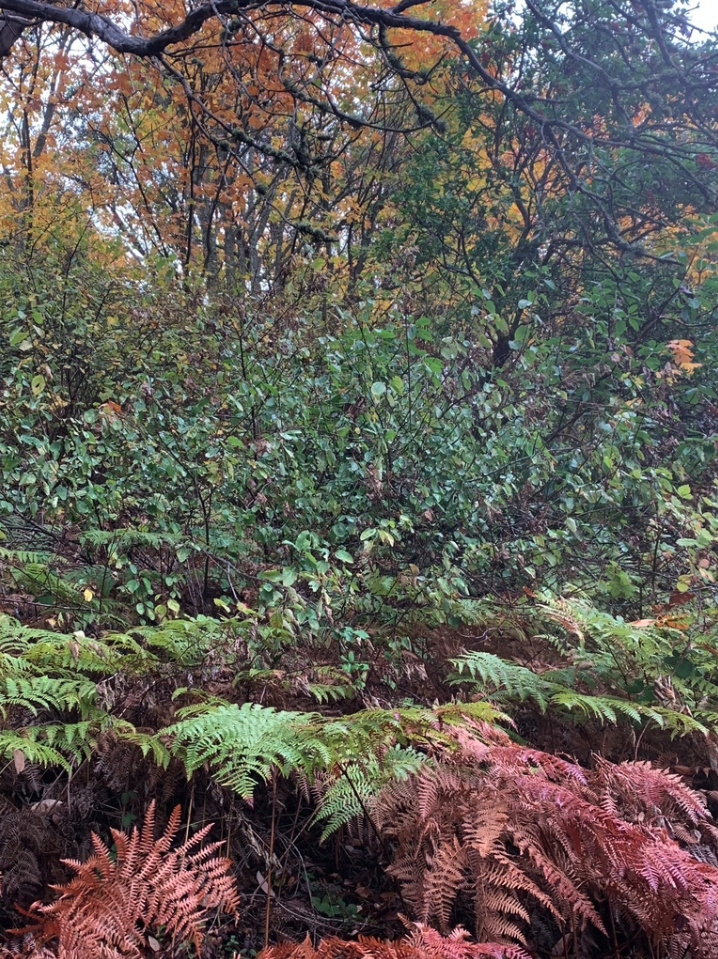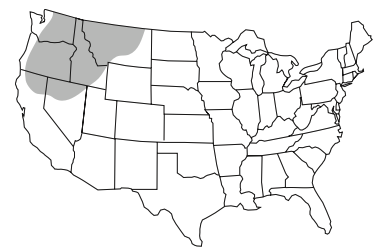
Deciduous shrub reaching 3-10 ft. tall with white fragrant flower clusters, blooming April to September. Occurs on dry to relatively moist well-drained soils of forest openings, clear-cuts, rocky hillsides and slopes, preferring more moisture than most other Ceanothus species; up to 5,000 ft. elevation. Persists on soils with low organic content. Able to fix large amounts of nitrogen. Establishes primarily by seed but also by sprouting after disturbance events such as fire, landslide or logging. Seeds germinate best following fire. Important food and cover for wildlife, especially as winter browse for elk. Provides seeds and cover for numerous birds and small mammals. Larval host of the Pale swallowtail butterfly and a nectar source for Johnson’s hairstreak butterfly.